
Table of Contents
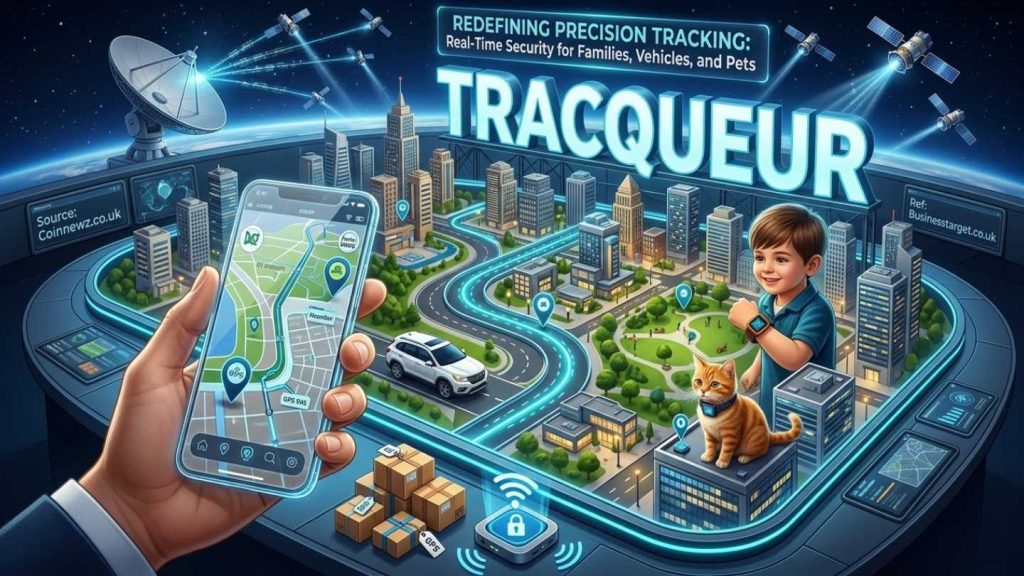
Are you one of those people who still don’t know what tracqueur means? Do not worry — you’re not the only one. The term “tracqueur” is actually an French word, which simply means tracking device. In simple terms, it refers to something that follows or keeps an eye on activity, whether online, in apps, or even physical devices like GPS trackers. Many people have recently started seeing this word online and getting confused, thinking it might be some kind of virus or threat. In this article, we’ll explain everything about tracqueur in easy-to-understand language, so by the end, you’ll know what it really is, why it’s being talked about, and how it affects you.
What Is a Tracqueur?
A tracqueur could seem like a technical term, however it’s actually quite simple. In the end the tracqueur is something that follows or tracks information. It could track movement or actions — and is found in the digital world as well as in the real world.
Think of the times you’ve tracked an item on the internet, followed your steps in a fitness app or used your mobile to locate the lost device. These are all examples of trackers working. They gather information in secret and then send it to a place where they can use it to serve purposes, such as aiding you, improving a service or maintaining a system.
Trackers come in two main types:
1. Physical Tracqueurs
These are devices that can track real-world objects. For example:
- A GPS tracker on a car to know where it is
- A small device on a bag to make sure it doesn’t get lost
These devices usually use signals like GPS, Bluetooth, or Wi-Fi to figure out their location. Once they know where they are, they share that information with an app or a system, often in real-time.
2. Digital Tracqueurs
These tracqueurs don’t track your physical location, but instead watch what happens online. They can notice things like:
- Websites you visit
- Apps you use
- How you interact with content
Even though you can’t see them, digital tracqueurs are everywhere. They help websites understand users, improve services, and sometimes show personalized ads.
In short, a tracqueur is any tool that observes, records, and shares information — whether it’s about where something is, or what someone does online.
How Tracqueurs Show Up in Everyday Life
Even if you’ve never heard the word tracqueur before, you probably encounter them all the time. These trackers are quietly helping in many areas of daily life, often without us noticing. Here are some common ways tracqueurs are used:
Tracking Packages and Deliveries – Have you ever purchased something on the internet and followed its journey from the factory to your door? This is a tracqueur in action. Delivery companies employ tracking devices to pinpoint precisely where your package is. This allows you to receive updates in real-time.
Finding Lost Devices – Tablets, phones, or laptops usually have built-in traceurs which help you find them in the event of their disappearance. Apps such as “Find My Device” or “Find My iPhone” use these tools to pinpoint the location of your device on the map and make it much easier to locate.
Monitoring Fitness and Health – Smartwatches and fitness apps make use of tracqueur to track your heart rate, steps or sleep pattern. They assist you in setting goals, track your progress and keep you active — all while taking data in the quiet of the day.
Improving Online Experiences – Many websites use digital tracqueurs to understand how visitors interact with their content. They notice what pages you visit, how long you stay, and which links you click. This helps websites show better suggestions, improve services, and sometimes offer personalized ads.
Keeping an Eye on Things You Own – Physical tracqueurs are used on cars, bikes, or even valuable items like luggage. They help owners know where their belongings are at all times and can even alert them if something moves unexpectedly.
How to Choose the Right Tracqueur for Your Needs
Not all tracqueurs are the same. Depending on what you want to track — whether it’s a device, a package, or your online activity — choosing the right tracqueur is important. Here’s a simple guide to help you decide:
1. Decide What You Want to Track
Before buying or using a tracqueur, think about your goal:
- Lost items or belongings: Choose a small GPS tracker that attaches to keys, bags, or luggage.
- Vehicles: A car tracker with real-time GPS is best.
- Fitness or health: Use a smartwatch or fitness app that tracks steps, heart rate, or sleep.
- Online activity: Use privacy-friendly apps or browser tools that help you monitor digital behavior.
2. Check How It Works
Some tracqueurs send updates in real-time, while others update only occasionally. Make sure the tracker you choose fits your needs:
- Real-time updates for urgent tracking
- Scheduled updates for less frequent monitoring
3. Consider Ease of Use
Pick a tracqueur that is easy to set up and use. Some require apps or accounts, while others are ready to go out of the box.
4. Battery Life and Maintenance
Look for a device that lasts long enough for your purpose. GPS trackers usually need charging or battery replacement, so check how long it can work before needing attention.
5. Privacy and Security
Especially for digital tracqueurs, make sure your data is safe. Choose trackers that respect privacy and do not share your information without consent.
6. Budget
Tracqueurs come in many price ranges. Decide how much you’re willing to spend and choose one that gives the features you need without overspending.
Tips to Stay Safe from Unwanted Tracking
While tracqueurs are often helpful, it’s smart to take steps to protect your privacy. Here are easy ways to stay safe:
Review App Permissions
Before installing an app, check what it wants access to. If a flashlight app asks for your contacts or location, it’s a red flag. Only allow what is necessary.
Use Privacy-Friendly Browsers
Some browsers block trackers automatically. Using these can help reduce the amount of information websites collect about you. You can also use private or incognito mode for extra safety.
Clear Cookies and History Regularly
Websites store small files called cookies to remember your activity. Clearing them from time to time can prevent tracqueurs from following you across multiple sites.
Be Careful with Links and Downloads
Don’t click on suspicious links in emails, messages, or social media. Unknown downloads can carry trackers or malware. Stick to official websites and app stores.
Use Location Settings Wisely
Only allow apps to access your location when needed. Turn off background location access unless the feature is essential, like for navigation apps.
Keep Your Devices Updated
Updates often include security improvements that protect against tracking or unwanted access. Make sure your phone, computer, and apps are always up to date.
FAQ’s Section
No. The word tracqueur simply means “tracker.” It doesn’t refer to a virus by default, although some trackers could be misused if installed without permission.
Usually, not. The majority of tracqueurs track your behaviour and location or device use. They aren’t able to access personal messages or documents unless you permit them to do so.
Use trusted apps or devices from official sources. Check permissions, read reviews, and make sure the tracker respects privacy.
No. Tracqueurs can be physical devices, like GPS trackers on cars or luggage, or digital, like tools on websites and apps.
Yes. You can use privacy settings in your browser, enable tracker-blocking tools, clear cookies regularly, and control app permissions.
Think about what you want to track, how often you need updates, battery life, ease of use, privacy, and your budget. This will help you pick the best option for your needs.
Conclusion
Tracqueurs might sound complicated, but the idea is simple: they are tools that track or follow activity. They can help you find lost items, monitor deliveries, stay on top of fitness goals, or improve your online experience.
Most tracqueurs are harmless, but it’s important to use them wisely and protect your privacy. By understanding what they do and taking simple precautions — like checking app permissions, using privacy-friendly tools, and controlling location access — you can enjoy the benefits without worrying about unwanted tracking.
Remember, knowing about tracqueurs helps you stay informed and make smart choices in your digital and physical life.


